


Plumbing
Thermal Expansion in Pipework: Planning for Movement
Pipes move when their contents change temperature. Restrain that movement completely and the stress goes somewhere — usu...
plumbing
GULF MEP · 19 December 2025 · 2 min read
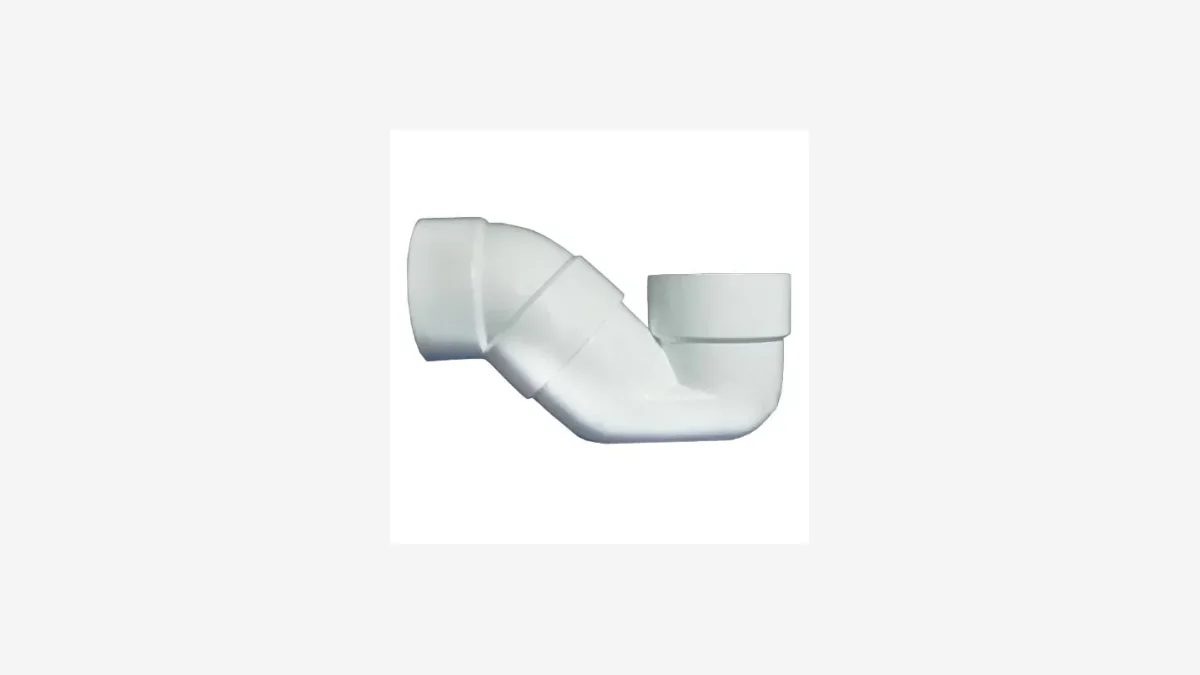
Most drainage complaints trace back to two things — a gradient that is wrong, or a vent that is missing. Both are cheap at design stage and expensive afterwards.
Gravity drainage carries solids as well as liquid. That is why gradient and air movement matter more than pipe size.
Insufficient gradient leaves waste moving too slowly, and solids settle and accumulate. Excessive gradient is the less obvious problem: liquid runs away faster than the solids it should be carrying, leaving them stranded in the pipe. The correct gradient falls within a range set by the applicable code for each pipe size — it is not simply "as steep as possible".
Consistency matters as much as the value. A run that sags between supports creates a low point that holds standing water and collects debris, even where the average fall is correct.
Every trap holds a water seal that blocks foul air from the building. When a discharge rushes down a stack, it drags air with it. Without adequate venting, that airflow siphons water out of nearby traps, and once the seal is lost, odour enters the room.
The classic symptom is a gurgling fixture followed by a persistent smell that cleaning does not fix. The cause is almost never the trap itself.
Check gradient, support and venting before assuming a blockage. A pipe that blocks repeatedly at the same location usually has a physical cause that clearing will not remove.
Plumbing
Pipes move when their contents change temperature. Restrain that movement completely and the stress goes somewhere — usu...
Plumbing
Excess pressure damages fittings, causes noise and wastes water at every outlet. A PRV solves it, provided it is sized a...
Plumbing
Capacity alone does not describe a water heater. Recovery rate decides whether it copes with demand, and two safety devi...

