

Water Treatment
Water Tank Hygiene: Keeping Stored Water Safe
Stored water quality degrades with warmth, light and time. Three factors that are all controllable at design and mainten...
water-treatment
GULF MEP · 10 October 2025 · 2 min read
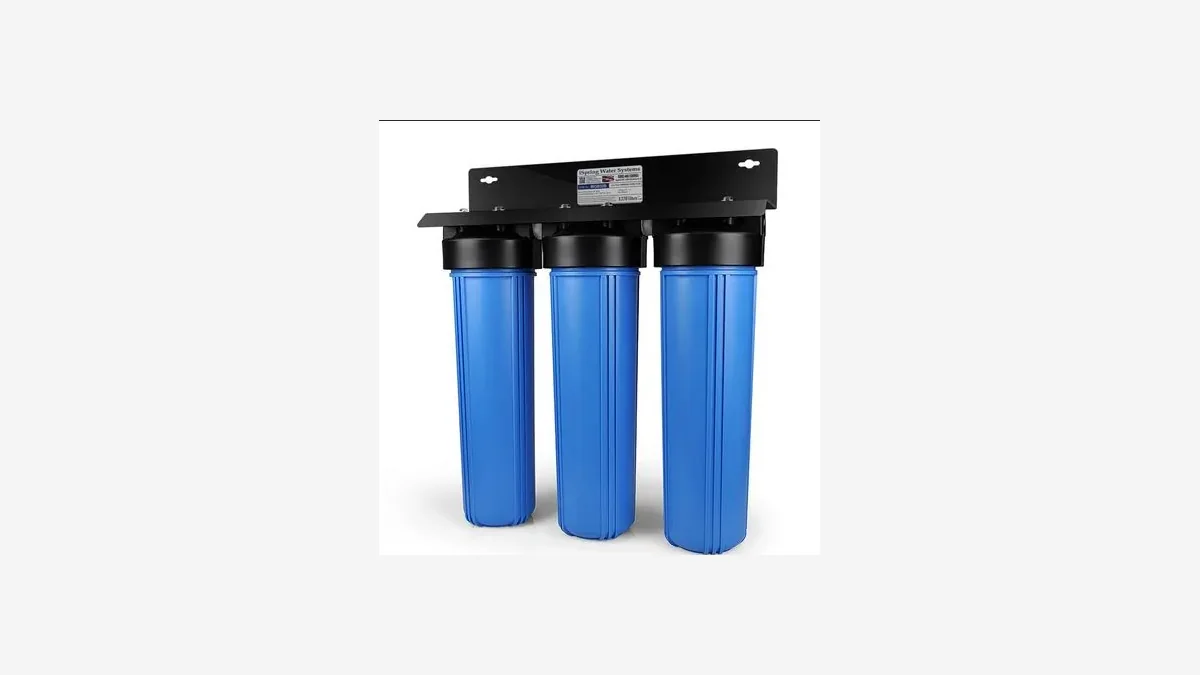
A six-stage filter is not simply better than a three-stage one. Understanding what each stage removes helps you specify the right system.
Filtration systems are usually sold by stage count, but the number alone says little. What matters is which contaminants each stage targets and in what order.
Sediment pre-filter removes sand, silt and rust particles. It protects everything downstream, which is why it clogs first and needs the most frequent replacement.
Carbon pre-filter removes chlorine, taste and odour compounds. This stage is critical before an RO membrane, because chlorine damages common membrane materials.
RO membrane is the stage that actually reduces dissolved salts. Water is forced through a semi-permeable membrane; the rejected concentrate goes to drain. This is why RO systems produce a waste stream — it is normal operation, not a fault.
Post-carbon polishing improves final taste before the tap.
Optional stages may add mineral reintroduction or UV treatment.
Placing a carbon filter after the membrane instead of before it leaves the membrane exposed to chlorine, shortening its life considerably. The sequence is part of the design, not a preference.
A water softener exchanges hardness minerals and protects heaters and pipework from scale. It does not purify water for drinking, and an RO unit does not replace it for whole-building scale control. They solve different problems.
Where a datasheet does not state micron rating, capacity or membrane type, ask before specifying — those figures determine whether the unit suits the incoming water quality.
Water Treatment
Stored water quality degrades with warmth, light and time. Three factors that are all controllable at design and mainten...
Water Treatment
Scale forms quietly and costs energy long before it causes a failure. What causes it, where it accumulates first, and th...