
Gas Systems
Gas Pipework: Materials, Joints and Testing
Gas pipework tolerates fewer shortcuts than any other service. Material selection, jointing method and testing are all g...
gas-systems
GULF MEP · 25 October 2025 · 2 min read
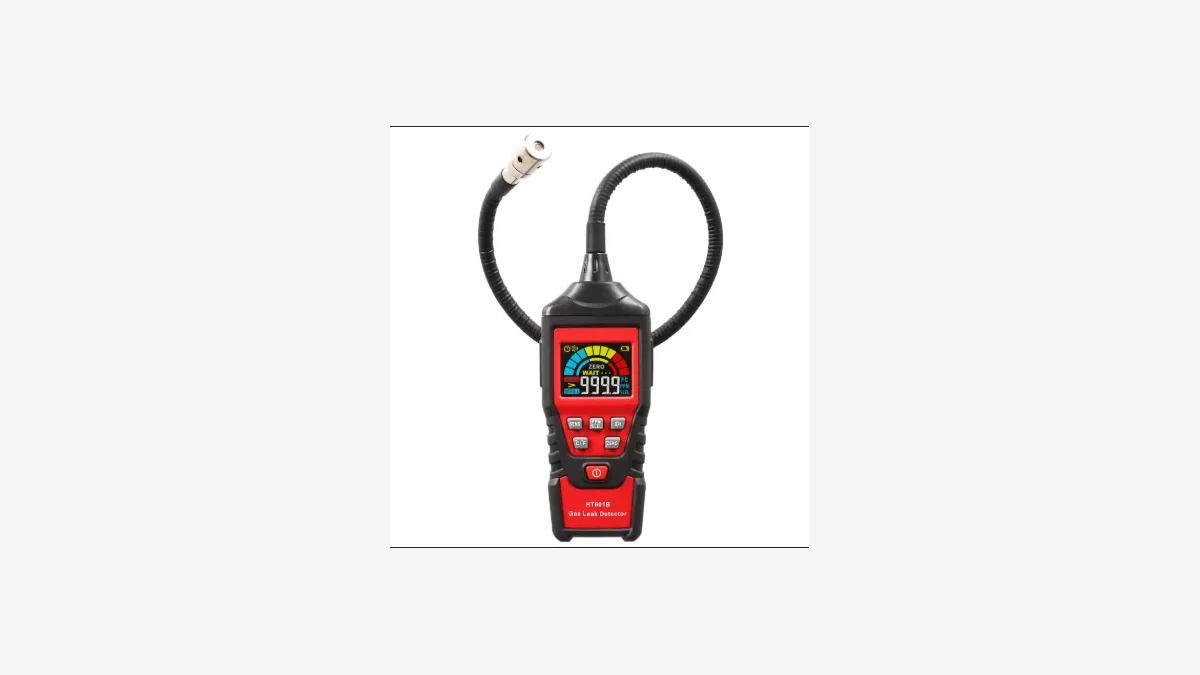
A detector mounted in the wrong place may never see the gas it is meant to find. Whether the gas is lighter or heavier than air changes everything.
Gas detection only works if the sensor sits where escaping gas will actually collect. That depends on the density of the gas relative to air.
LPG is heavier than air. It sinks, pools at low level and collects in pits, trenches and floor voids — so detectors are mounted low, near floor level.
Natural gas is lighter than air. It rises and accumulates at high level, under ceilings and in roof voids — so detectors are mounted high.
Installing an LPG detector at ceiling height is a common and serious error. The device may pass a functional self-test for years while never being exposed to the gas it is meant to detect.
Detection elements drift and eventually expire. A detector that powers up is not necessarily a detector that responds. Calibration intervals and sensor replacement periods are specified by the manufacturer and must be tracked — the power indicator tells you nothing about sensitivity.
Detection is only useful if something happens when it triggers. Decide in advance whether the system should sound an alarm, close a solenoid valve on the gas line, shut down appliances, or signal a building management system — and test that chain, not just the sensor.
Test with the intended detection method at commissioning and at each service interval, and record the results. Requirements for detection, alarm and shut-off arrangements are set by the applicable standard and the local authority.
Gas Systems
Gas pipework tolerates fewer shortcuts than any other service. Material selection, jointing method and testing are all g...
Gas Systems
A regulator reduces supply pressure to what the appliance expects. Selection depends on inlet range, required outlet pre...