
Gas Systems
Gas Pipework: Materials, Joints and Testing
Gas pipework tolerates fewer shortcuts than any other service. Material selection, jointing method and testing are all g...
gas-systems
GULF MEP · 20 October 2025 · 2 min read
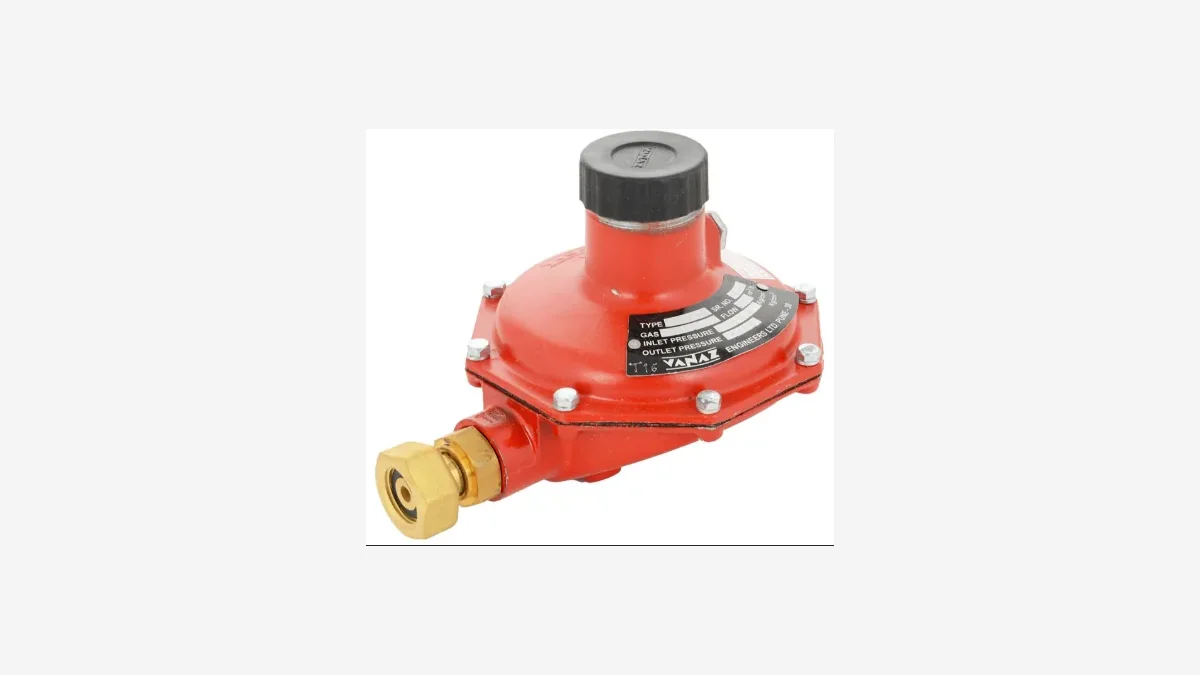
A regulator reduces supply pressure to what the appliance expects. Selection depends on inlet range, required outlet pressure and flow capacity — all three.
Gas appliances are designed to operate within a narrow pressure band. The regulator's job is to deliver that band consistently regardless of variation upstream.
Choosing on outlet pressure alone is the most common error.
A regulator with the right outlet pressure but insufficient capacity will show correct pressure at rest and drop away as soon as appliances fire together.
Larger installations often use two-stage regulation: a first stage reduces from supply pressure to an intermediate level, a second stage delivers the final appliance pressure. This gives steadier outlet pressure across changing demand and inlet conditions.
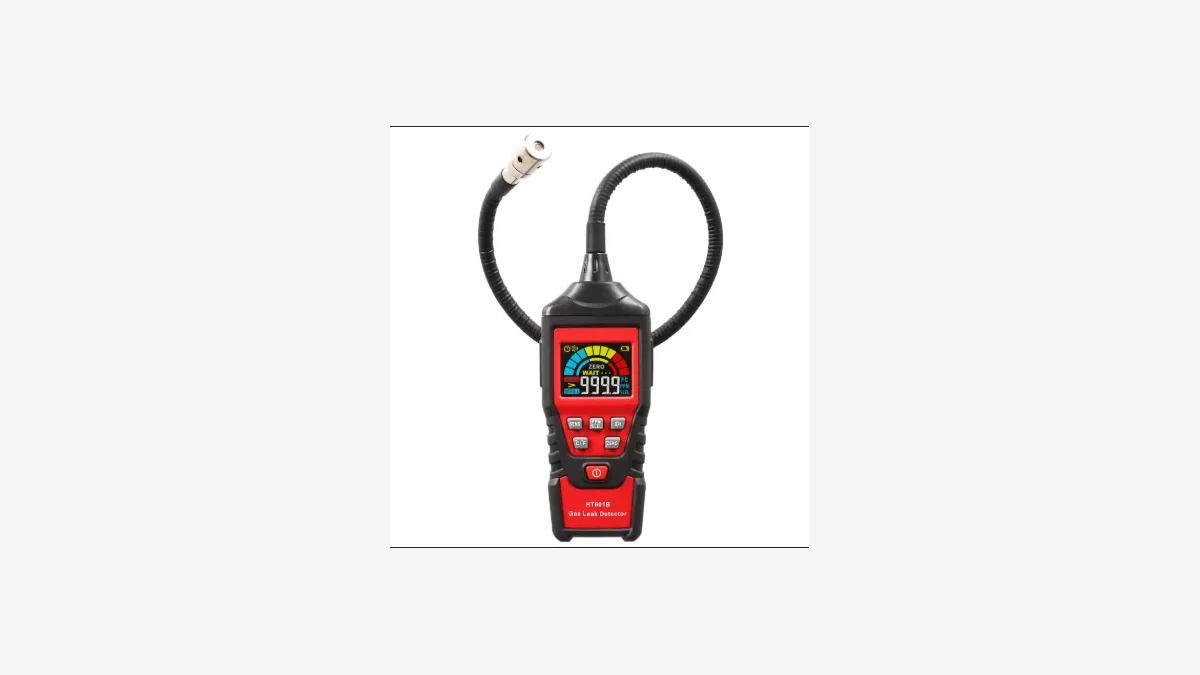
Regulators are commonly paired with over-pressure protection, relief arrangements and isolation valves. Gas installations also rely on shut-off valves positioned so supply can be isolated quickly, and on leak detection where the standard or authority requires it.
Every gas installation must be pressure tested and leak checked before being placed in service, by a competent person and in line with the applicable standard and local authority requirements. Where datasheet fields for inlet or outlet pressure are marked as not specified, obtain the manufacturer's confirmed data before installation — this is not a parameter to assume.
Gas Systems
Gas pipework tolerates fewer shortcuts than any other service. Material selection, jointing method and testing are all g...
Gas Systems
A detector mounted in the wrong place may never see the gas it is meant to find. Whether the gas is lighter or heavier t...