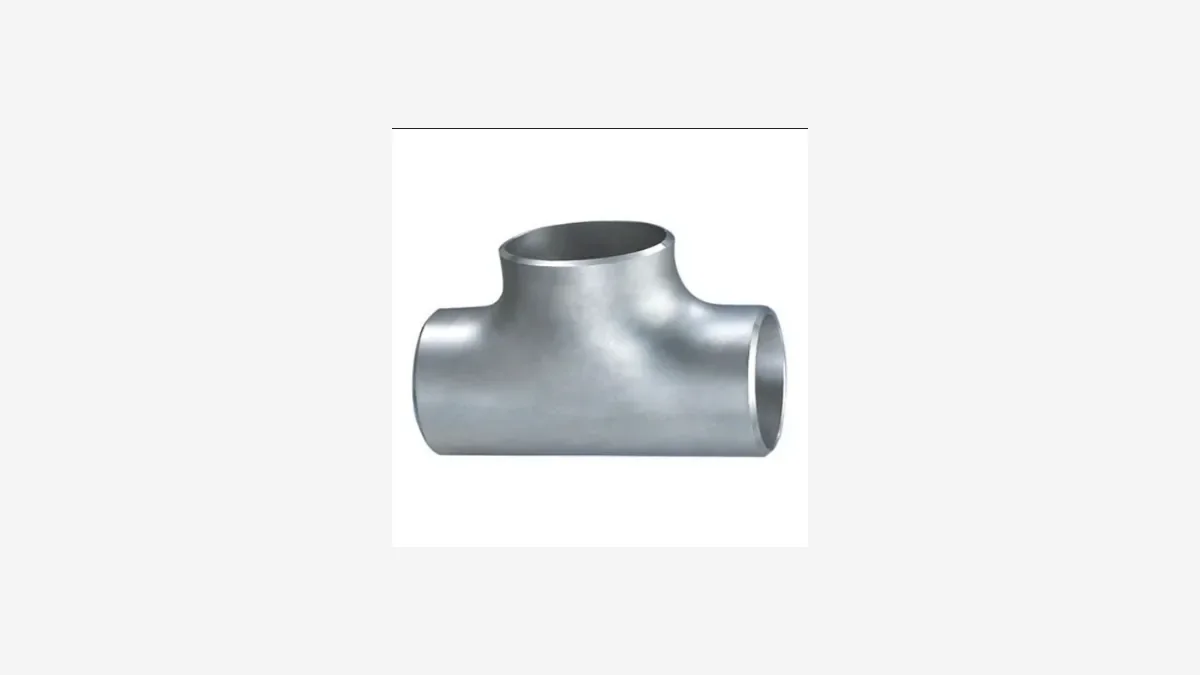


Stainless Steel
Pipe Supports and Hangers: The Detail That Decides Longevity
Supports are cheap, unglamorous and routinely under-specified. They also determine whether a well-installed system stays...
stainless-steel
GULF MEP · 30 October 2025 · 2 min read
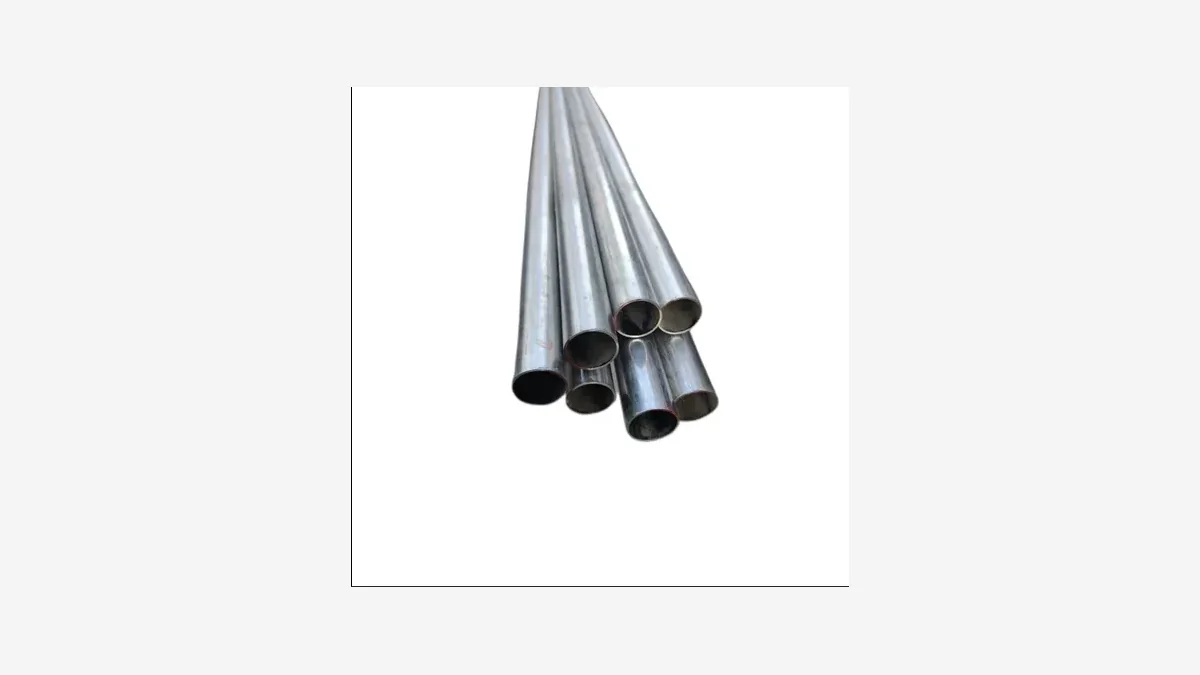
The difference is molybdenum, and it matters most where chlorides are present. In coastal Gulf projects, that is a decision worth making deliberately.
Both 304 and 316 are austenitic stainless steels and both resist corrosion well in ordinary conditions. The practical difference appears in specific environments.
Grade 316 contains molybdenum, which substantially improves resistance to pitting and crevice corrosion caused by chlorides. Grade 304 does not. In clean indoor water service, both perform well and 304 is the economical choice. Introduce salt, and the two behave differently.
Coastal air carries salt. Combined with high humidity, this creates conditions where 304 can develop pitting on exposed surfaces — small, localised attacks that penetrate rather than spreading evenly. For external installations near the coast, for seawater-adjacent plant, for swimming pool environments and for some chemical services, 316 is the safer specification.
Surface tea-staining on stainless is cosmetic and usually cleanable. Pitting is different: it concentrates attack in small spots and can perforate a wall thickness while the surrounding surface still looks sound. This is why grade selection matters more than appearance.
Welding, grinding and contamination from carbon-steel tools all reduce resistance. Heat tint left after welding should be removed and the surface passivated. Using the same wire brush on carbon steel and stainless embeds iron particles that later rust and stain the surface.
State the grade, the finish and the applicable dimensional standard, and confirm test documentation where the specification requires it. Where a datasheet marks the material grade as not specified, request written confirmation from the manufacturer before ordering — grade cannot be judged by appearance.
Stainless Steel
Supports are cheap, unglamorous and routinely under-specified. They also determine whether a well-installed system stays...
Stainless Steel
Fittings are ordered late and cause delays more often than pipe does. What to check on each type before the order goes o...