

Pumps
Submersible and Drainage Pumps: Solids Handling and Duty Cycle
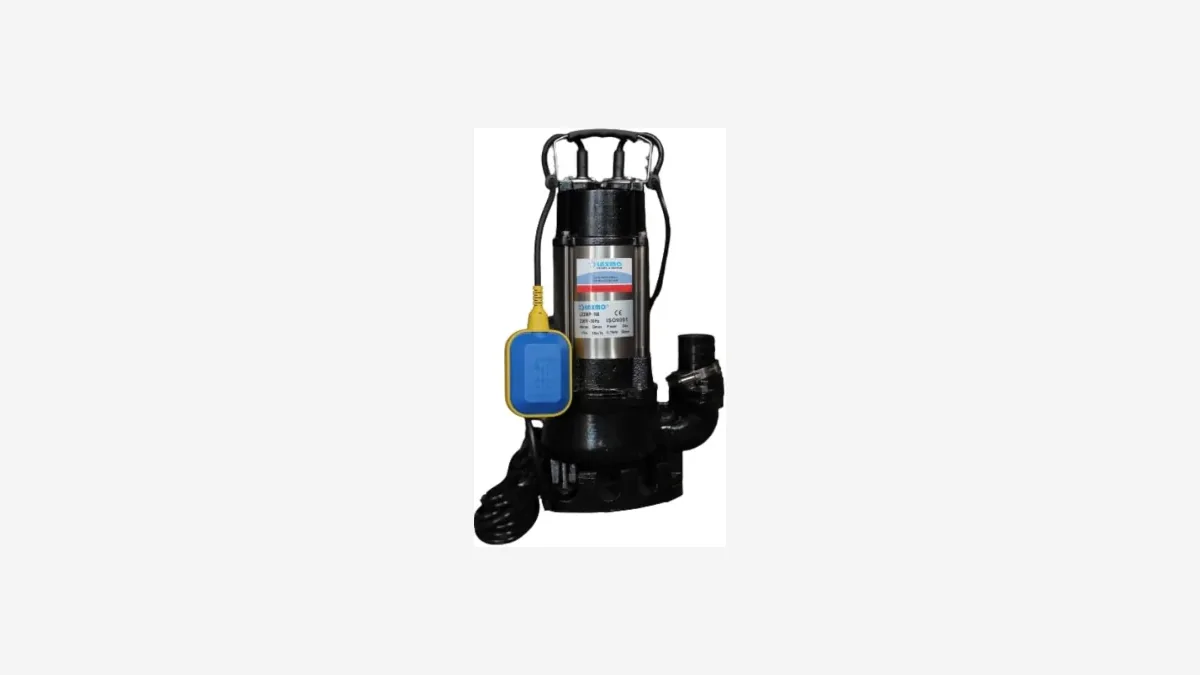
Clean-water pumps fail quickly on wastewater. Solids passage, impeller type and switching arrangement determine whether...
pumps
GULF MEP · 05 October 2025 · 2 min read

Upper floors lose pressure to height, lower floors suffer from too much. How booster sets, pressure zones and variable speed control work together.
Water pressure falls by roughly one bar for every ten metres of height. In a tall building, that simple fact creates two opposite problems at once.
Upper floors receive too little pressure for showers and appliances to work properly. Lower floors receive too much, which stresses fittings, causes noisy flow and wastes water at every outlet. Solving one without the other is a common design mistake.
A booster set is a group of pumps sharing a common manifold, working together to hold a target discharge pressure. As demand rises, pumps stage in; as it falls, they stage out. A pressure vessel absorbs small fluctuations so the pumps do not start and stop constantly.
With variable speed drives, the pumps adjust their speed to hold pressure rather than cycling on and off. This gives more stable pressure at the outlets, lower energy use at partial demand, and much gentler starts — which extends the life of both motors and pipework by reducing hydraulic shock.
Tall buildings are usually divided into vertical pressure zones, each served by its own pump set or by pressure-reducing valves, so no floor sees excessive pressure.
Sets are typically arranged as duty/standby or duty/assist, with the controller rotating which pump starts first so wear is spread evenly. Specify a standby pump where interruption is unacceptable.
Pumps
Clean-water pumps fail quickly on wastewater. Solids passage, impeller type and switching arrangement determine whether...
Pumps
A pump does not have one flow rate. It has a curve, and where your system sits on that curve decides performance, effici...
