


Pumps
Booster Pump Sets: Keeping Pressure Stable in Tall Buildings
Upper floors lose pressure to height, lower floors suffer from too much. How booster sets, pressure zones and variable s...
pumps
GULF MEP · 23 January 2026 · 2 min read
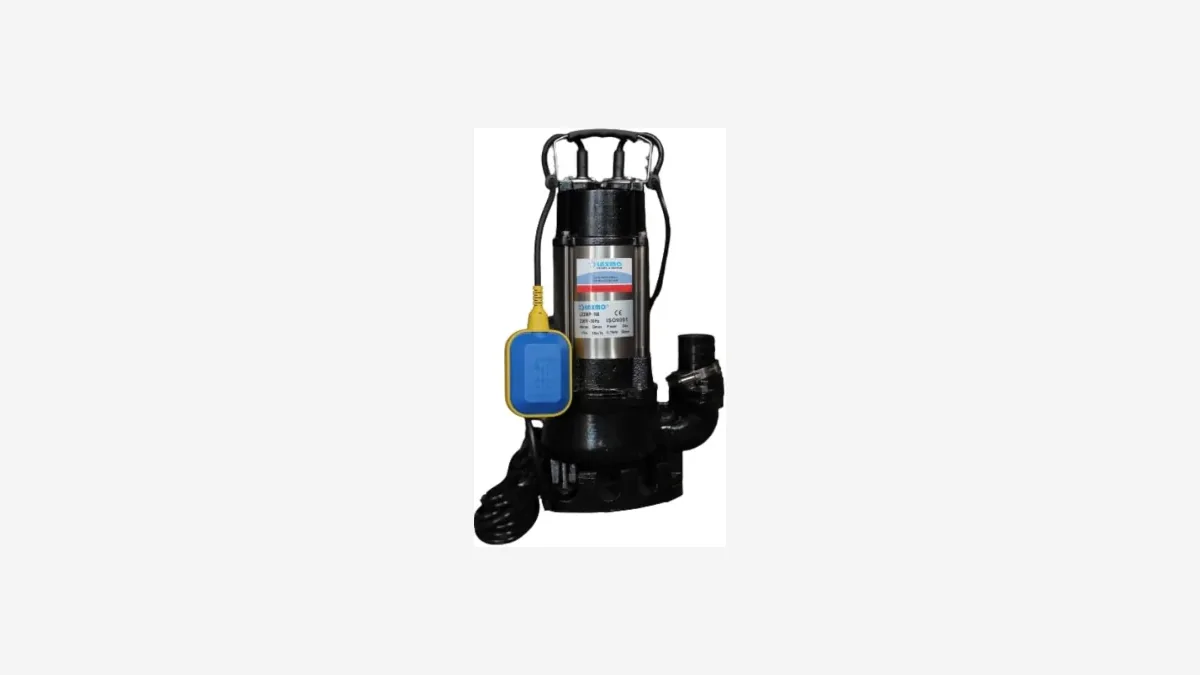
Clean-water pumps fail quickly on wastewater. Solids passage, impeller type and switching arrangement determine whether a drainage pump survives.
Drainage and sewage pumps are selected on more than flow and head. What the liquid contains governs the choice.
Every pump has a maximum solid size it can pass. Clean-water pumps have narrow passages and block immediately on wastewater. Vortex impellers create a swirl that carries solids through with minimal contact, making them tolerant of debris and fibrous material at the cost of some efficiency. Channel impellers are more efficient but pass smaller solids. Grinder pumps macerate solids before pumping, used where the discharge pipe is small.
Match the impeller type to the actual liquid — not the liquid the system was designed for, but what will realistically enter the sump.
Submersible drainage pumps are often controlled by float switches. Two settings matter: the pump must not run dry, and it must not start and stop excessively. Frequent short cycling overheats the motor and is one of the most common causes of premature failure. Adequate sump volume between start and stop levels prevents it.
Where flooding would be damaging, install two pumps with alternating duty so wear is shared and one remains available if the other fails. Alternation also prevents a standby pump from sitting unused for years and seizing.
Where the datasheet marks flow, head or solids size as not specified, obtain the manufacturer's data before selecting.
Pumps
Upper floors lose pressure to height, lower floors suffer from too much. How booster sets, pressure zones and variable s...
Pumps
A pump does not have one flow rate. It has a curve, and where your system sits on that curve decides performance, effici...
