
Fire Fighting
Fire Pumps and Hose Reels: The System Behind the Outlet
A hose reel is only as good as the pressure and flow behind it. How fire pump sets, jockey pumps and standby arrangement...
fire-fighting
GULF MEP · 18 January 2026 · 2 min read

Detector type must match the expected fire, and placement must match how smoke and heat actually move. Signage matters just as much in an emergency.
Detection buys time. Whether it does so depends on choosing a detector suited to the risk and placing it where the products of combustion will reach it.
Smoke detectors respond to visible combustion products and suit most occupied areas — corridors, offices, bedrooms. They are unsuitable in areas with steam, dust or fumes, where they generate false alarms.
Heat detectors respond to temperature rise or a fixed threshold. They are slower than smoke detection and are used where smoke detection is impractical — kitchens, boiler rooms, dusty stores.
Manual call points allow a person to raise an alarm immediately, positioned on escape routes and at exits.
Smoke rises and spreads along the ceiling. Detectors go on the ceiling, away from air supply diffusers that would dilute or divert smoke, and clear of obstructions. Deep beams, high ceilings and ceiling voids all change coverage and must be assessed rather than assumed.
Placing a detector directly in front of an air conditioning supply is a common error — conditioned air keeps smoke away from the sensing chamber and delays response.
Repeated false alarms cause occupants to ignore genuine ones. Where a detector alarms repeatedly, the correct response is to review its type and position, not to disable it.
Exit signage must be visible from the areas it serves, including when smoke reduces visibility, and escape routes need illumination that survives a power failure. Extinguisher location signs matter for the same reason.
Detection systems are tested at defined intervals and results recorded. System design, device spacing and testing requirements follow the applicable standard and the local civil defence authority.
Fire Fighting
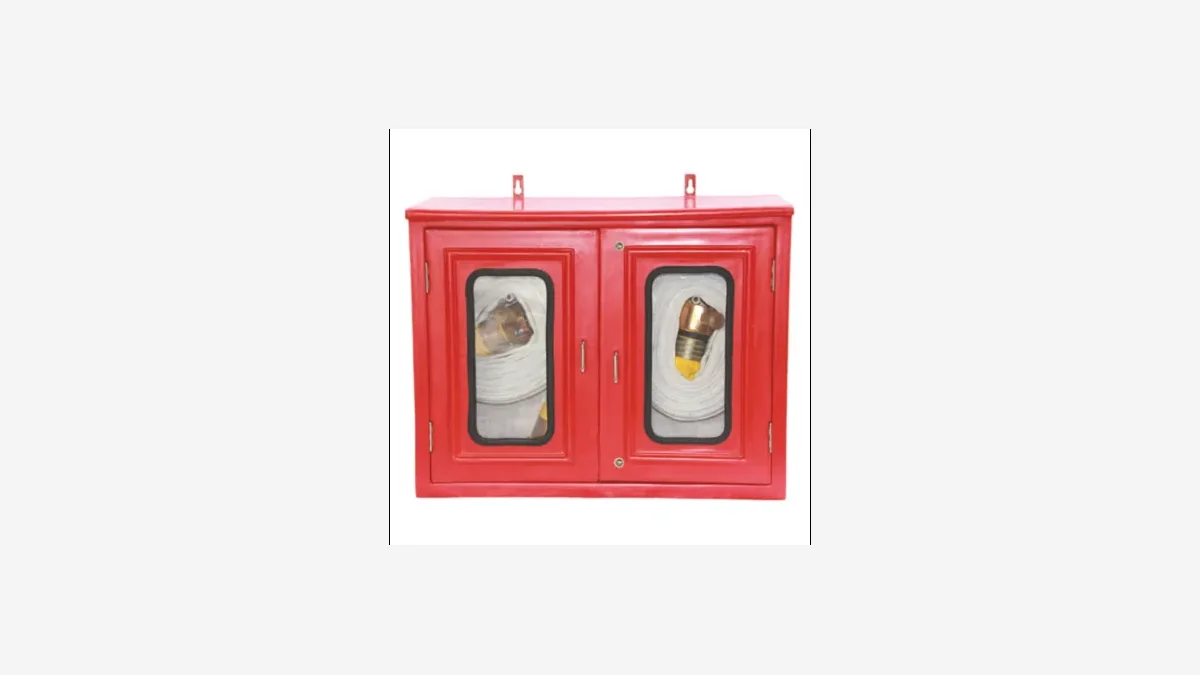
A hose reel is only as good as the pressure and flow behind it. How fire pump sets, jockey pumps and standby arrangement...
Fire Fighting
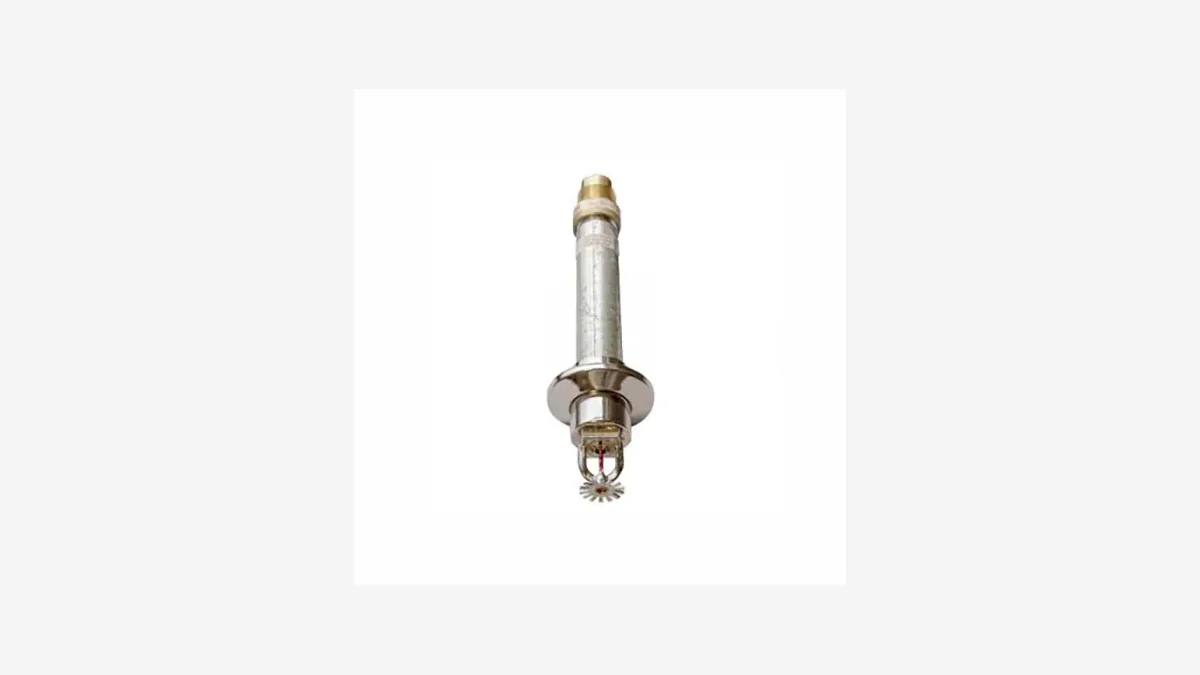
Two ratings decide how a sprinkler behaves — the temperature at which it operates and how fast its element reacts. Neith...
Fire Fighting
Choosing an extinguisher is about the fuel that could burn, not the size of the room. A practical guide to agent types a...