

HVAC
Air Filters: Balancing Filtration Against Airflow
A finer filter is not automatically a better one. Every increase in filtration adds resistance, and the fan has to deal...
hvac
GULF MEP · 21 August 2025 · 2 min read
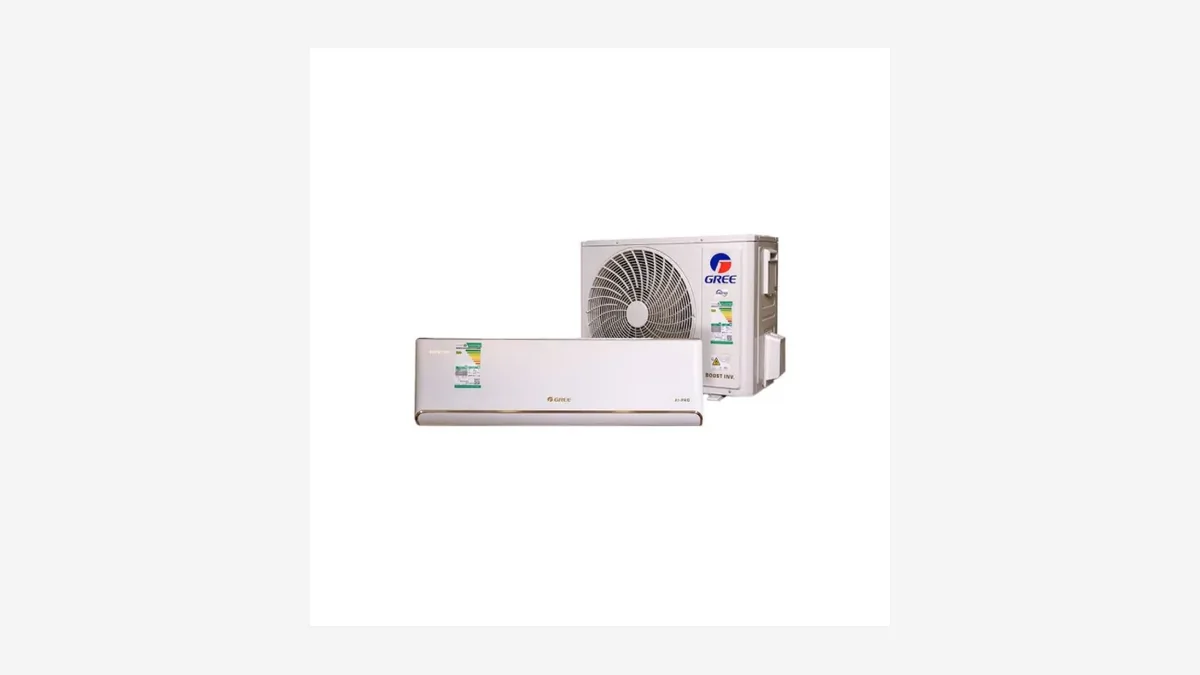
Capacity figures on a datasheet are measured under stated conditions. Understanding T1 and T3 ratings matters more in the Gulf than almost anywhere else.
Cooling capacity is quoted in BTU per hour or in kilowatts, and often summarised as a nominal tonnage. One refrigeration ton is roughly 12,000 BTU/hr, so an 18,000 BTU/hr unit is described as 1.5 ton.
Nominal tonnage is a naming convention, not a measurement. The rated capacity on the datasheet is the number that was actually tested, and it is the figure to design with. Two units both sold as "2 ton" can differ measurably in tested output.
Capacity is measured at a defined outdoor condition. T1 represents a moderate climate; T3 represents a high ambient temperature closer to Gulf summer conditions. The same machine always reports a lower capacity at T3 than at T1, because performance falls as outdoor temperature rises.
Comparing one manufacturer's T1 figure against another's T3 figure makes the T1 unit look stronger when it may not be. Always compare like with like, and where the equipment will run through a Gulf summer, size on the T3 figure.
Rated input power, running current and starting current determine cable size and breaker selection. A unit chosen purely on cooling output can create an electrical problem downstream.
Size the equipment on tested capacity at the condition it will actually work in, and confirm the electrical data before ordering.
HVAC
A finer filter is not automatically a better one. Every increase in filtration adds resistance, and the fan has to deal...
HVAC
More ceiling damage is caused by condensate drains than by any other HVAC component. The causes are consistent and entir...
HVAC
Direct expansion and chilled water solve the same problem at different scales. Building size, plant space and operationa...