

Stainless Steel Pipes & Fittings
Seamless pipe, fittings, flanges and supports in 304 and 316 stainless for corrosive, hygienic and high-temperature service across GCC projects.
Stainless Steel Pipes & Fittings

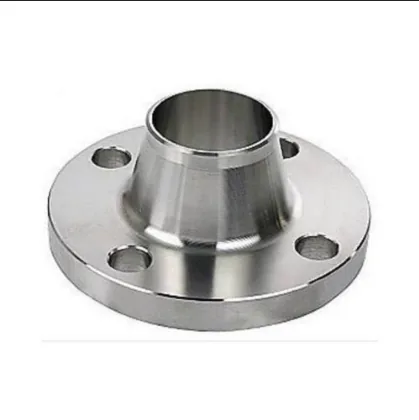
Stainless Steel Weld Neck Flange 1 Inch
GULF MEP Ref. SST-0067
- TypeWeld neck flange
- MaterialStainless steel
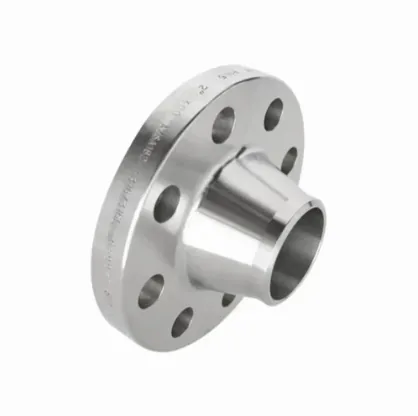
Stainless Steel Weld Neck Flange 2 Inch
GULF MEP Ref. SST-0068
- TypeWeld neck flange
- MaterialStainless steel
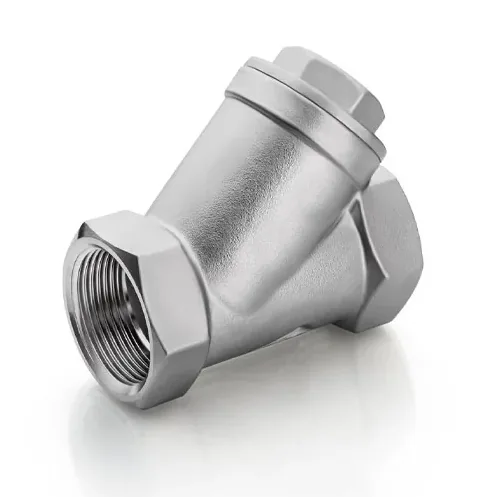


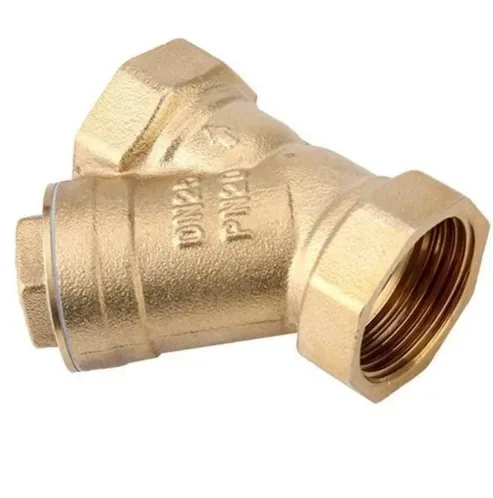
What this category covers
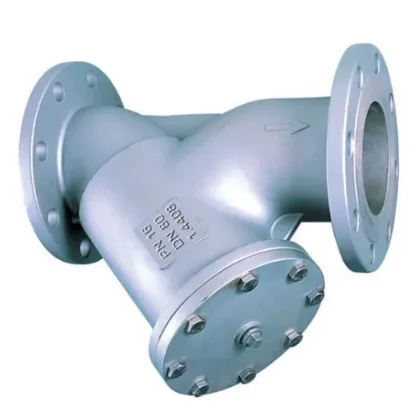
Stainless steel pipework and its complete fitting range: seamless pipe, elbows, tees and crosses, reducers, couplings and unions, caps and plugs, flanges, nipples, strainers and filter fittings, and the clamps, supports and accessories that carry it.
304 or 316 — the decision that matters most
Both grades are austenitic stainless steels and look identical. The difference is molybdenum, which 316 contains and 304 does not, and it changes the alloy's resistance to chloride attack.
That distinction is not academic in the Gulf. Coastal humidity, salt-laden air, seawater, brackish groundwater and chlorinated water all present chloride exposure, and 304 in those environments suffers pitting and crevice corrosion that 316 resists. Inland, in dry conditions and on non-chloride service, 304 performs well and costs less.
The practical rule: specify 316 where chlorides are present or the exposure is coastal or marine; 304 is adequate for many inland and internal applications. If you are not sure which applies, tell us the medium and the location and we will say which we would supply and why.
Common applications
Water treatment and desalination plant; food, beverage and dairy processing; pharmaceutical and laboratory service; commercial kitchens; chemical dosing and process lines; hospital and clean utilities; coastal and marine installations; and high-temperature service where plastic pipe cannot be used.
What to settle before asking for a price
Grade. 304 or 316, and whether a low-carbon variant is required for welded work.
Schedule and diameter. Pipe is specified by nominal bore and wall thickness schedule together — Sch 10, Sch 40 and Sch 80 differ substantially in wall and in pressure rating.
Connection type. Butt weld, socket weld, threaded, flanged or clamped. Fittings are not interchangeable between them.
Surface finish. Hygienic and food-contact service usually specifies an internal finish, and it is priced differently from mill finish.
Flange standard and rating. Confirm the standard and pressure class, and that gaskets and bolting are specified with the flange.
Support material. A stainless line hung on carbon steel supports corrodes at every contact point. Match the support material, or isolate it.
Industries we supply
Water treatment and desalination, food and beverage production, pharmaceutical and laboratory, hospitality and commercial kitchens, oil, gas and petrochemical support services, healthcare, and general MEP contracting.
Frequently asked questions
Should I specify 304 or 316 stainless steel?
What does the schedule number on a pipe mean?
Can stainless pipe be supported on carbon steel brackets?
Do you supply flanges with gaskets and bolting?
Is a surface finish specified as standard?
Explore Stainless Steel Pipes & Fittings
- Stainless Steel Seamless Pipes
- Stainless Steel Elbow Fittings
- Stainless Steel Tee & Cross Fittings
- Stainless Steel Reducers
- Stainless Steel Couplings & Unions
- Stainless Steel Caps & Plugs
- Stainless Steel Flanges
- Stainless Steel Strainers & Filter Fittings
- Stainless Steel Pipe Nipples
- Stainless Steel Pipe Clamps, Supports & Accessories