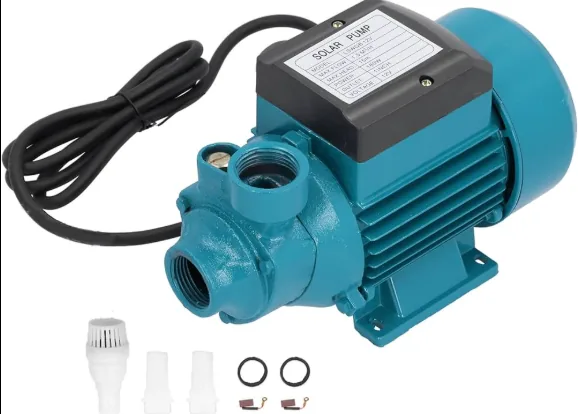
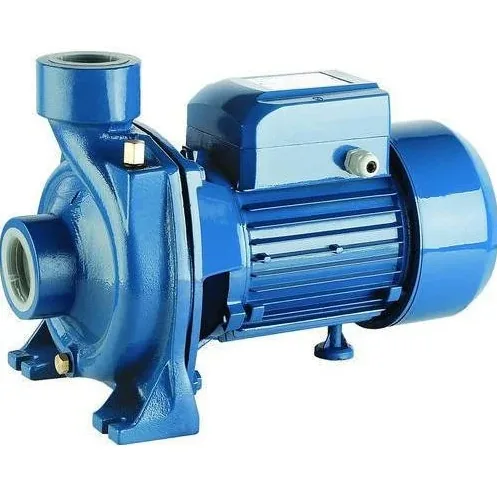
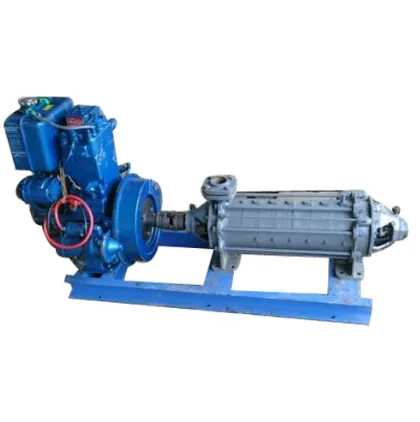
Horizontal Water Transfer Pump
Horizontal water transfer pump designed for transferring water through suitable piping systems. Its horizontal pump arrangement supports a range of water supply applications
Availability
- Riyadh · Saudi Arabia
- Dubai · United Arab Emirates
- Doha · Qatar
- Kuwait City · Kuwait
Description
A horizontally arranged water pump designed for transferring water through compatible piping and water distribution systems
Applications
- Water transfer
- Water supply
- Commercial buildings
- Industrial facilities
Specifications
Available on request: Flow Rate, Head, Power, Voltage, Connection Size. Tell us the configuration you need and we will confirm these in writing: Get Quote
Choosing and specifying this item
A horizontal set is largely a plant-room decision. It takes floor area rather than height, and it earns that area back in access: bearings, seal and coupling all sit where a technician can reach them without dismantling pipework.
Space and support
Before requesting a quotation, mark out the footprint including motor, coupling guard and the clearance needed to withdraw the rotating element. Fix the Connection Size and, just as important, whether the ports are threaded or flanged and to which drilling. A mismatch here is discovered on the day of installation, not on paper.
Alignment and vibration
Sets mounted on a common baseplate live or die by coupling alignment. Specify a grouted plinth or inertia base, anti-vibration mounts, and flexible connectors on both ports. Check alignment after the pipework is connected rather than before, because pipe strain is what pulls a set out of line.
Hydraulics to confirm
Flow Rate and Head define the machine; Power and Voltage define the starter and cabling. Ask for the NPSH required at the duty point and compare it with what your suction arrangement can supply, particularly where the source tank sits lower than the pump.
Other options in this family are listed under Water Transfer Pumps, Pumps. Further detail: Pump Head and Flow: Reading a Pump Curve Correctly.