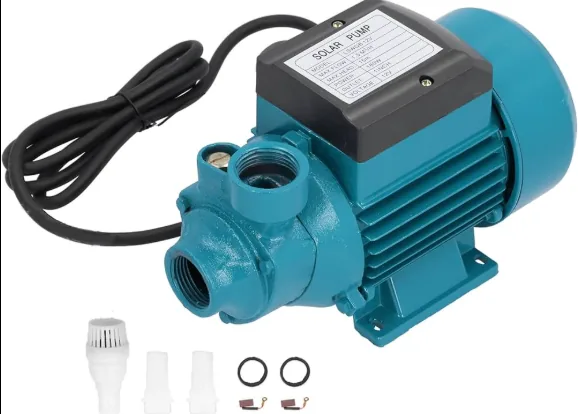
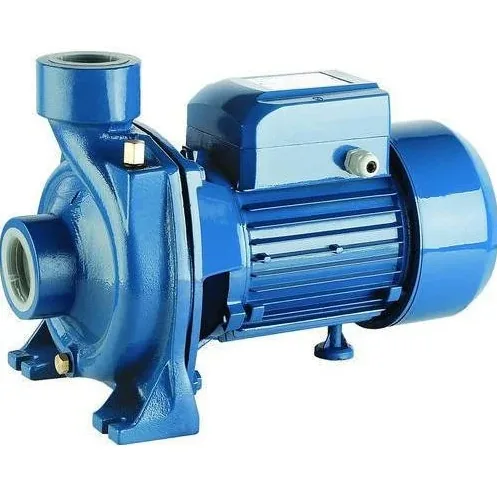
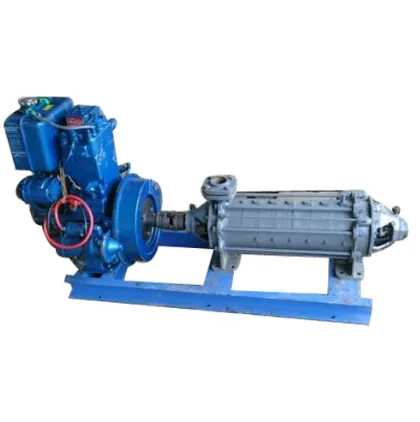
Self-Priming Water Transfer Pump
Self-priming water transfer pump designed for suitable water transfer applications. The pump is intended for installations where self-priming capability is required
Availability
- Riyadh · Saudi Arabia
- Dubai · United Arab Emirates
- Doha · Qatar
- Kuwait City · Kuwait
Description
A self-priming pump designed to transfer water in applications where the pump installation requires a self-priming arrangement
Applications
- Water transfer
- Tank systems
- Agricultural applications
- General water supply
Specifications
Available on request: Flow Rate, Head, Power, Voltage, Connection Size. Tell us the configuration you need and we will confirm these in writing: Get Quote
Choosing and specifying this item
Self-priming buys one specific thing: the pump clears air from its suction line and starts without anyone filling the casing first. It does not remove the physical limit on how far below the pump the water may sit.
The suction side governs everything
Ask for the maximum suction lift the manufacturer states and treat it as a ceiling, not a target. Measure from the lowest working water level, not from a full tank. Warm water reduces the lift that can be achieved, which is a real consideration for a surface tank standing in Gulf summer sun. Keep the suction line short, no smaller than the suction port, airtight at every joint, and rising continuously toward the pump so no air pocket can form.
What to confirm
Flow Rate and Head at the duty point, Power and Voltage against the supply available, and the Connection Size at both ports - on this type suction is frequently larger than discharge, and that difference has to be carried into the pipework design.
Field failures
Repeated loss of prime is usually a leaking suction joint, a failed foot valve, or a strainer sitting above water level. Ask how long re-priming takes after the pump has stood idle, since that governs whether automatic restart is workable.
The full selection sits under Water Transfer Pumps, Pumps. Background: Submersible and Drainage Pumps: Solids Handling and Duty Cycle.