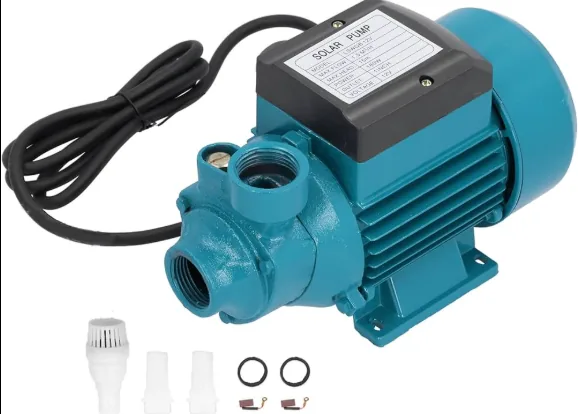
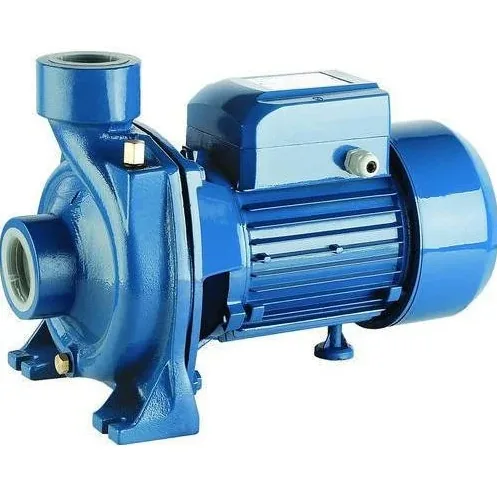
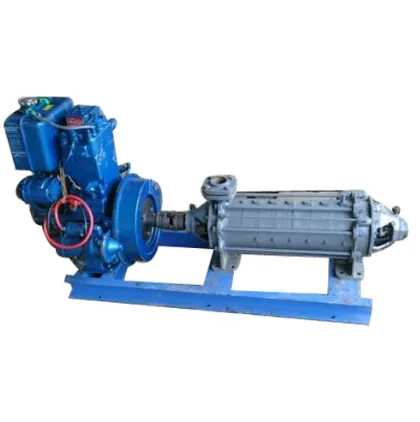
Vertical Water Transfer Pump
Vertical water transfer pump designed for water movement and supply applications. Its vertical arrangement is suitable for installations where the pump configuration requires a compact footprint
Availability
- Riyadh · Saudi Arabia
- Dubai · United Arab Emirates
- Doha · Qatar
- Kuwait City · Kuwait
Description
A vertically arranged pump designed for transferring water through suitable water supply and distribution systems
Applications
- Water supply systems
- Commercial buildings
- Industrial facilities
- Water transfer
Specifications
Available on request: Flow Rate, Head, Power, Voltage, Connection Size. Tell us the configuration you need and we will confirm these in writing: Get Quote
Choosing and specifying this item
Floor area is usually why this arrangement is chosen, and headroom is what it costs.
Measure upwards
The saving in footprint is only real if there is vertical clearance above the unit to lift out the motor and rotating parts. Measure from the plinth to the underside of the slab with ducts, pipe runs and cable trays included, then check what lifting provision the plant room has. Retrofits into an existing room are where this goes wrong.
Pipework must carry its own weight
Where the pump sits in line with the pipe, both sides need independent support so that pipe weight and thermal movement are not taken by the casing. Flexible connectors, isolating valves and a bypass around the set turn future removal into a maintenance task rather than a system shutdown.
Confirm before quoting
Flow Rate and Head as a pair, and the Connection Size with its flange or thread detail. Settle Power and Voltage early: higher-head vertical machines commonly land on a three-phase supply at 380-415 V rather than single phase, and that changes the starter, the cable and the isolator the electrical contractor has to allow for.
See what else is available in Water Transfer Pumps, Pumps. See also: Booster Pump Sets: Keeping Pressure Stable in Tall Buildings.