Solar Circulation Pump
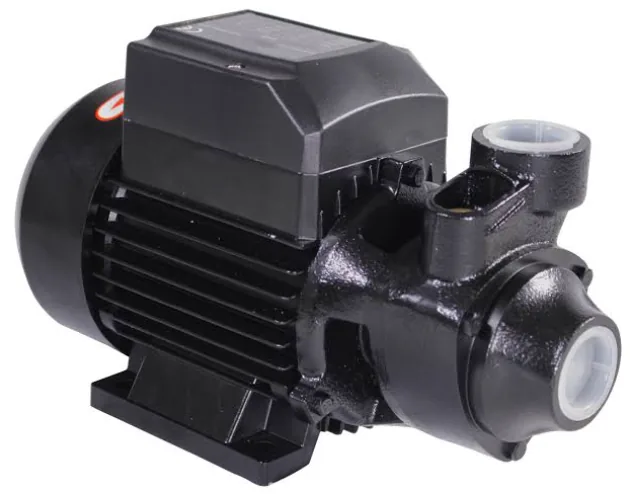
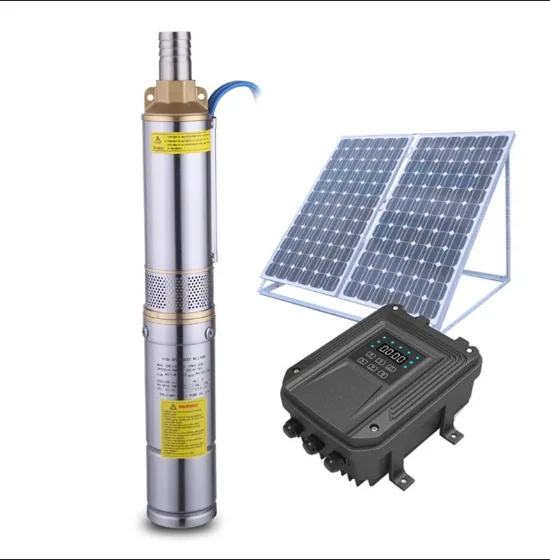
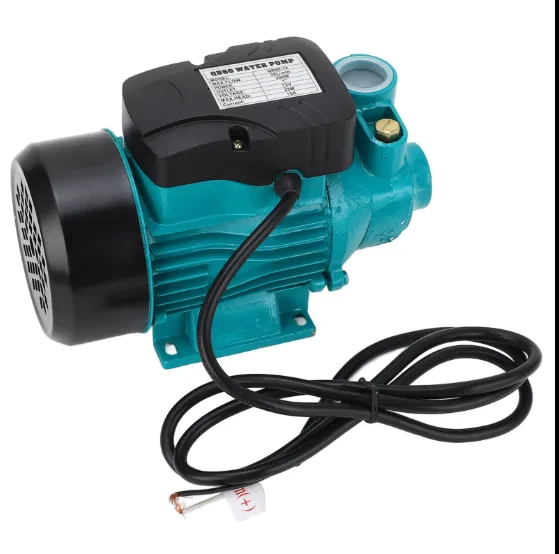
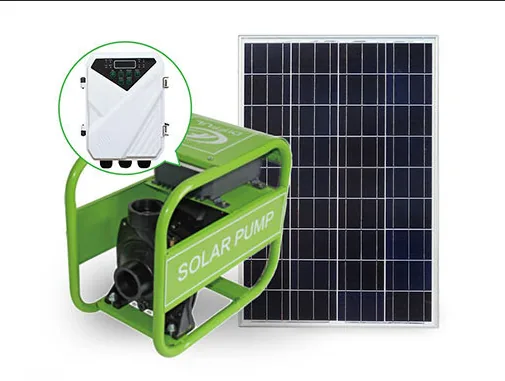
Solar circulation pump designed to circulate water through compatible systems using solar power. It is suitable for selected water circulation and renewable-energy applications
Availability
- Riyadh · Saudi Arabia
- Dubai · United Arab Emirates
- Doha · Qatar
- Kuwait City · Kuwait
Description
A solar-powered circulation pump designed to move water continuously through a compatible closed or open water system
Applications
- Water circulation
- Solar water systems
- Renewable energy systems
- Small water installations
Specifications
Available on request: Flow Rate, Head, Power, Voltage, Solar Input. Tell us the configuration you need and we will confirm these in writing: Get Quote
Choosing and specifying this item
Circulation is a resistance problem
A circulator does not lift water; it overcomes the friction of a loop. The duty therefore comes from the pipe run — length, bore, fittings, and the pressure drop across a collector or heat exchanger — at the flow the process requires. Confirm Flow Rate and Head against that calculated loop resistance. A circulator asked for far more head than the loop presents simply runs off its curve and wastes array power.
Fluid and temperature first
State what is circulated and how hot it becomes. A solar thermal loop can reach temperatures well above domestic hot water service, and a glycol mixture changes viscosity, flow and the sealing arrangement. Ask for the maximum fluid temperature and the wetted materials, and confirm the seal or wet-rotor arrangement suits continuous running at that condition.
Control and installation
Decide whether the pump should run whenever there is sun or only on a differential signal, because circulating a collector loop at the wrong moment moves heat in the wrong direction. Confirm Power, Voltage and the Solar Input window, the required shaft orientation, and that the loop has proper air venting — trapped air stops a circulator faster than any electrical fault.
Other options in this family are listed under Solar & Water Pumps, Pumps. Further detail: Booster Pump Sets: Keeping Pressure Stable in Tall Buildings.