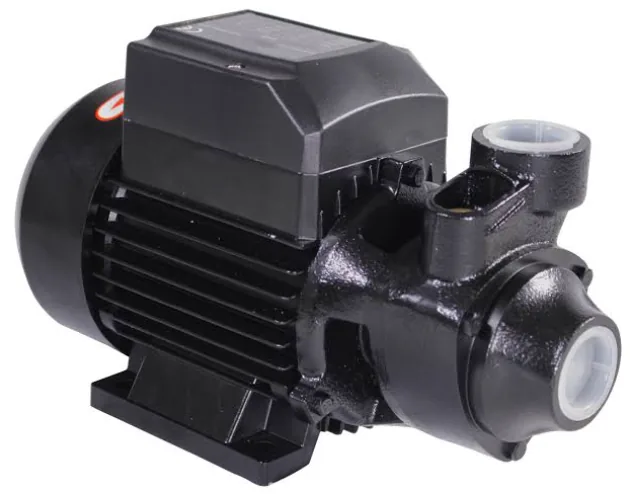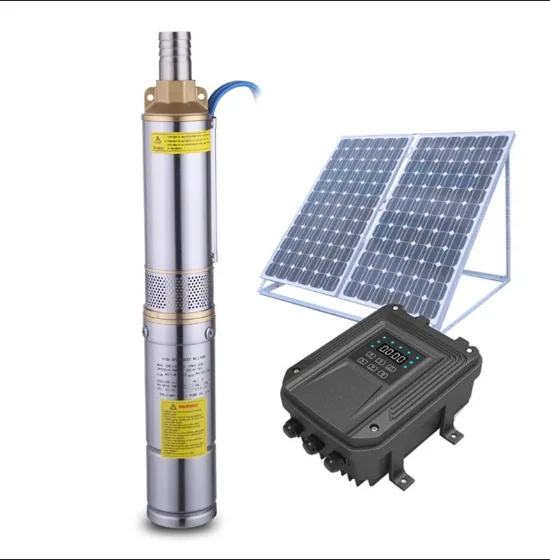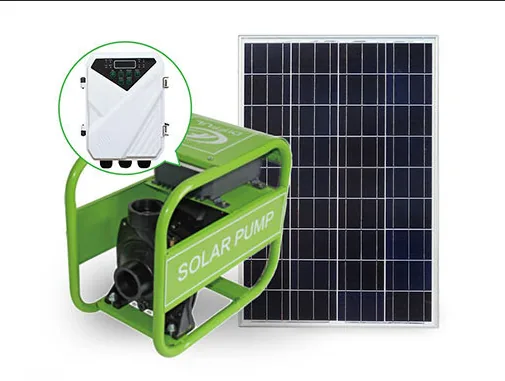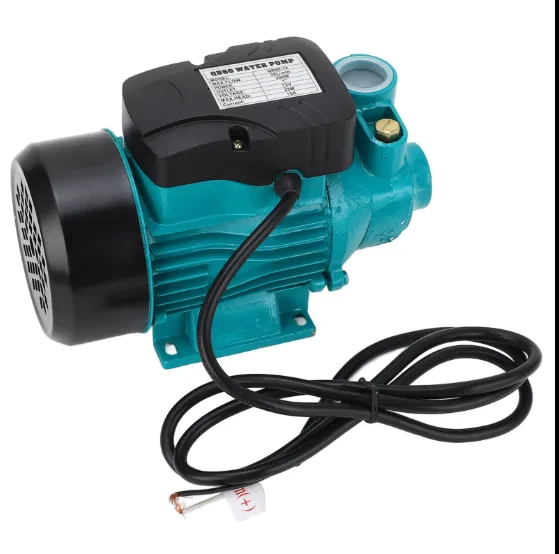
Solar Water Transfer Pump
Solar water transfer pump designed to move water between suitable tanks, reservoirs and water sources. It is suitable for remote and off-grid water transfer applications
Availability
- Riyadh · Saudi Arabia
- Dubai · United Arab Emirates
- Doha · Qatar
- Kuwait City · Kuwait
Description
A solar-powered pump designed to transfer water between compatible storage and distribution points without requiring a conventional grid-powered pump arrangement
Applications
- Water transfer
- Storage tanks
- Reservoirs
- Off-grid water systems
Specifications
Available on request: Flow Rate, Head, Power, Voltage, Solar Input. Tell us the configuration you need and we will confirm these in writing: Get Quote
Choosing and specifying this item
Rate follows the volume and the solar window
A transfer duty is a batch job: the volume to be moved, divided by the usable pumping hours, gives the rate to specify. Sizing on an average day leaves the site short in winter, when the solar window shortens and array output falls. Size on the demanding case and let the controller idle on good days.
Suction arrangement and route
Establish whether the pump sits below the source with a flooded suction or above it and has to lift — the second needs priming, a foot valve and a strainer, and limits the practical distance. Then confirm the route: hose or pipe length and bore, fittings, the static difference between the two points, and the height of the discharge above the receiving tank's water surface. Long small-bore hose is where most transfer installations lose their flow.
Confirm before quotation
Flow Rate, Head, Power, Voltage and the acceptable Solar Input, plus connection sizes and whether the set is a fixed installation or moved between points. Fit a non-return valve where the two levels differ, or the line siphons back once the pump stops, and interlock levels at both ends for unattended daytime running.
See what else is available in Solar & Water Pumps, Pumps. See also: Submersible and Drainage Pumps: Solids Handling and Duty Cycle.