Solar Irrigation Pump
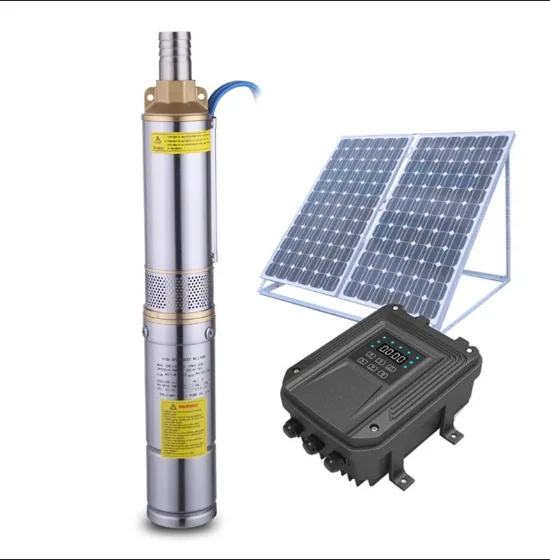
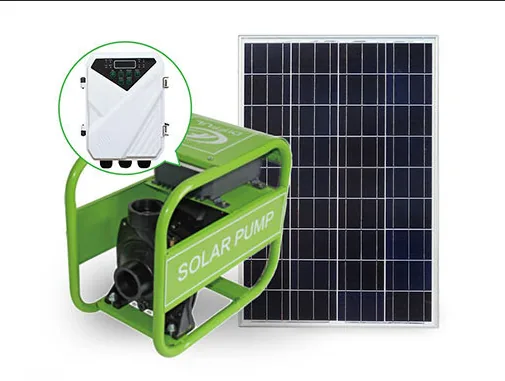
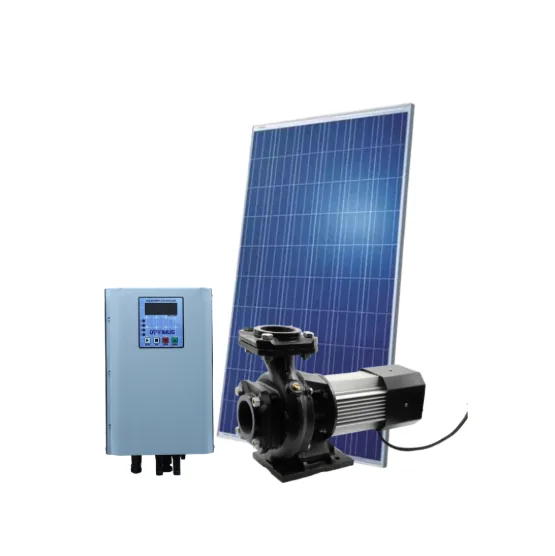
Solar irrigation pump designed to supply water to suitable irrigation systems using solar energy. It is suitable for agricultural and landscape irrigation applications
Availability
- Riyadh · Saudi Arabia
- Dubai · United Arab Emirates
- Doha · Qatar
- Kuwait City · Kuwait
Description
A solar-powered pump designed to transfer water from a suitable source into an irrigation network for agricultural or landscape use
Applications
- Agricultural irrigation
- Landscape irrigation
- Farms
- Remote irrigation systems
Specifications
Available on request: Flow Rate, Head, Pump Power, Operating Voltage, Solar Input. Tell us the configuration you need and we will confirm these in writing: Get Quote
Choosing and specifying this item
Work back from the emitter
The duty comes from the irrigation design, not the area of the field. Drip laterals need a modest but steady pressure at every emitter; impact and rotor sprinklers need considerably more, and micro-sprays sit between. Add emitter operating pressure to filter loss taken at the dirty condition, mainline and lateral friction, and the elevation to the highest block. That total, at the flow of the largest block run at one time, is the duty to quote.
Variable sun means variable uniformity
On a directly coupled array, flow and pressure follow irradiance through the day, which shifts emitter output and damages distribution uniformity across the block. The usual answer on drip is to pump into a tank and irrigate by gravity or through a controlled second stage, rather than irrigating straight off the panels. Settle that before selecting the pump, because it changes both duty and control.
Confirm before quotation
Flow Rate and Head, Pump Power, Operating Voltage and the Solar Input window. Declare the source and water quality — salinity, iron, suspended solids and any fertigation chemicals decide filtration and wetted materials, and are the usual reason a solar irrigation set disappoints in its second season.
Other options in this family are listed under Solar & Water Pumps, Pumps. Further detail: Pump Head and Flow: Reading a Pump Curve Correctly.