Solar Tank Filling Pump
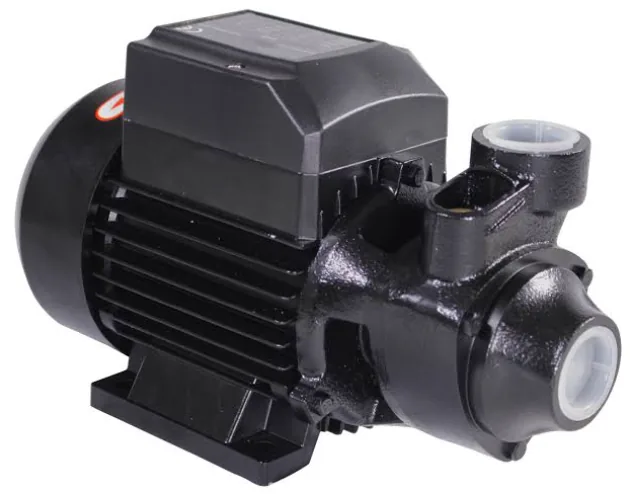
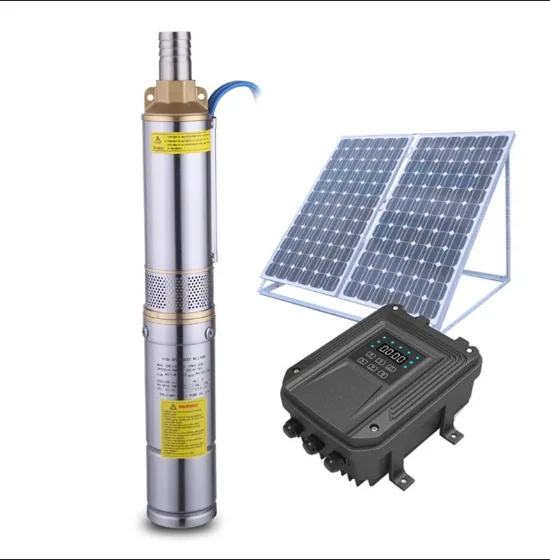
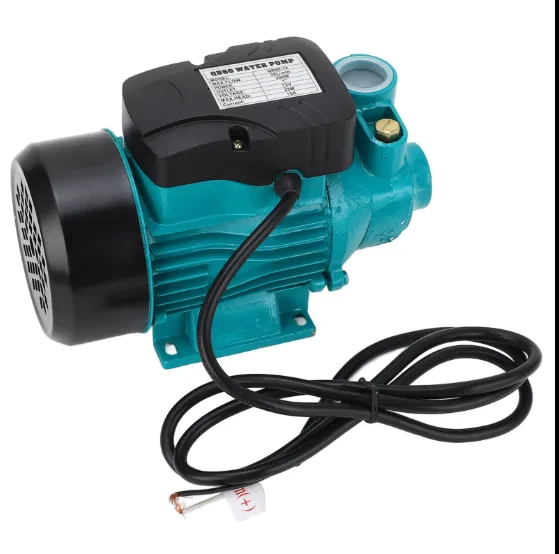
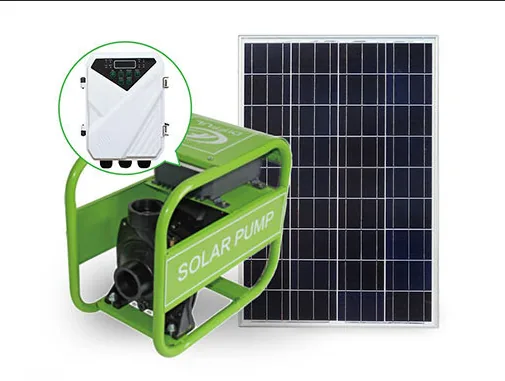
Solar tank filling pump designed to transfer water into suitable storage tanks. It is suitable for remote water systems and installations using solar power
Availability
- Riyadh · Saudi Arabia
- Dubai · United Arab Emirates
- Doha · Qatar
- Kuwait City · Kuwait
Description
A solar-powered pump designed to transfer water from an appropriate source to a storage tank or elevated water reservoir
Applications
- Water storage tanks
- Remote buildings
- Water supply systems
- Agricultural installations
Specifications
Available on request: Flow Rate, Head, Power, Voltage, Solar Input. Tell us the configuration you need and we will confirm these in writing: Get Quote
Choosing and specifying this item
On a solar filling duty the tank replaces a battery bank: pump while the sun is up, distribute by gravity afterwards.
The controls decide whether it works
That makes level control, not the pump, the component that determines success. Specify a high-level float or probe at the tank that stops the pump before overflow, a low-level interlock at the source that stops it before the pump runs dry, and enough separation between switching points to prevent short cycling every time water is drawn off.
Head is measured to the water surface
Static lift runs from the lowest source level to the top water level in the tank — not to the tank base, and not to ground level under a raised stand. Add delivery friction at the intended fill rate, and the loss through a float valve if the inlet has one. Filling into the tank crown rather than below the water line avoids back-siphonage but adds the full static height.
Confirm before quotation
Flow Rate, Head, Power, Voltage and the Solar Input window, and state daily volume and required days of autonomy so fill rate and tank size stay consistent. Check that overflow, warning pipe and vent suit the offered fill rate.
Compare the rest of the range in Solar & Water Pumps, Pumps. Related reading: Submersible and Drainage Pumps: Solids Handling and Duty Cycle.